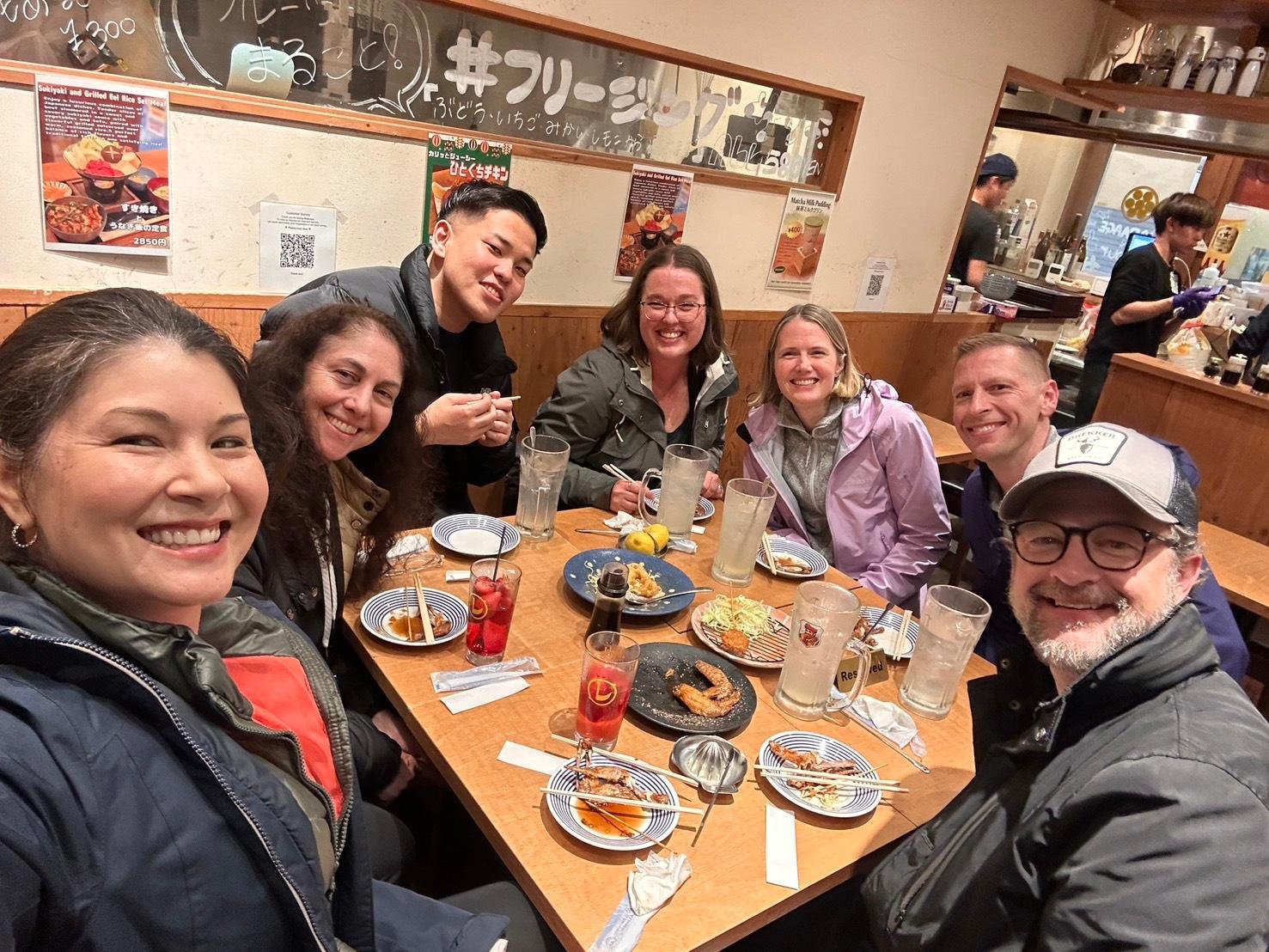
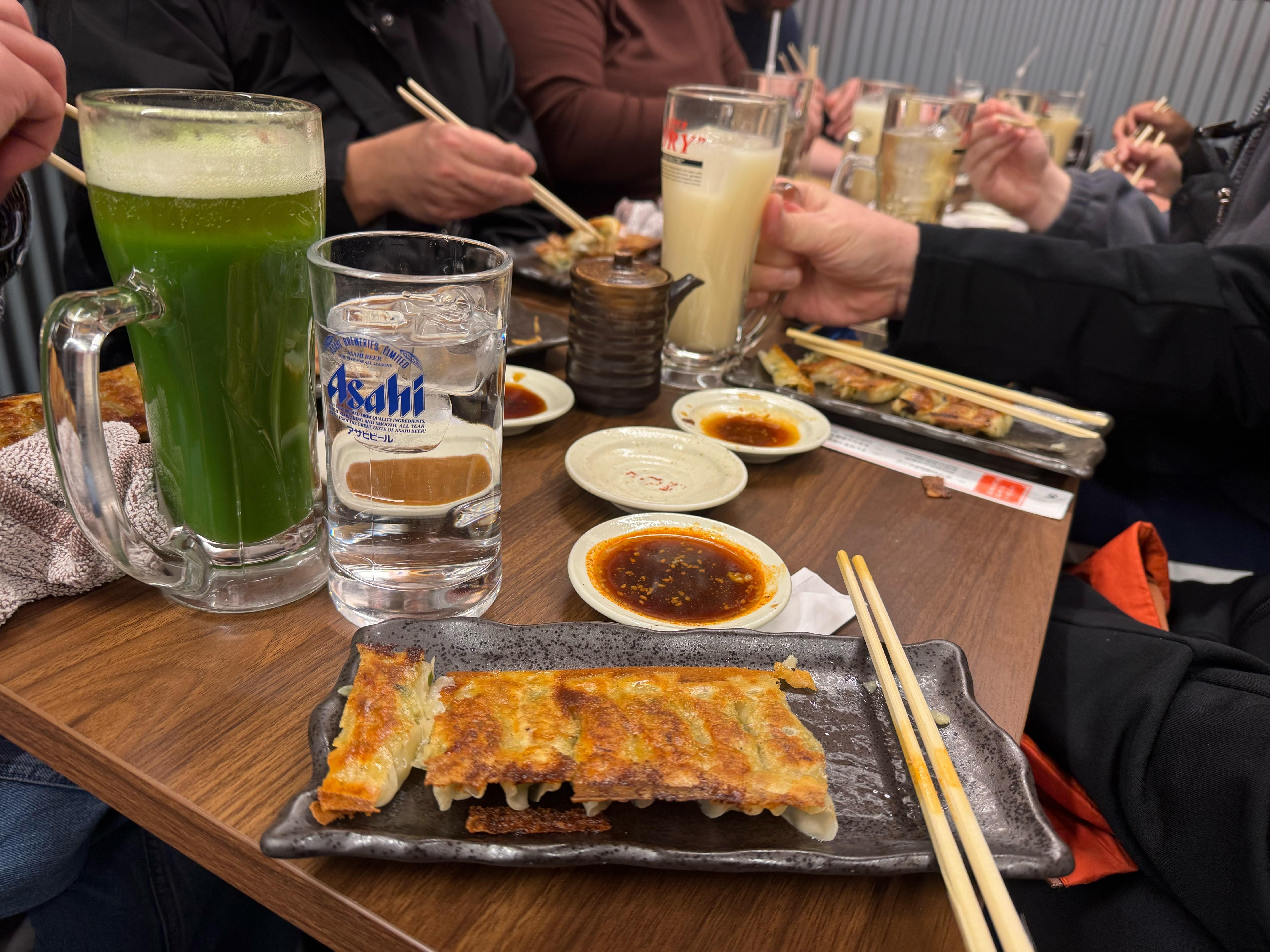
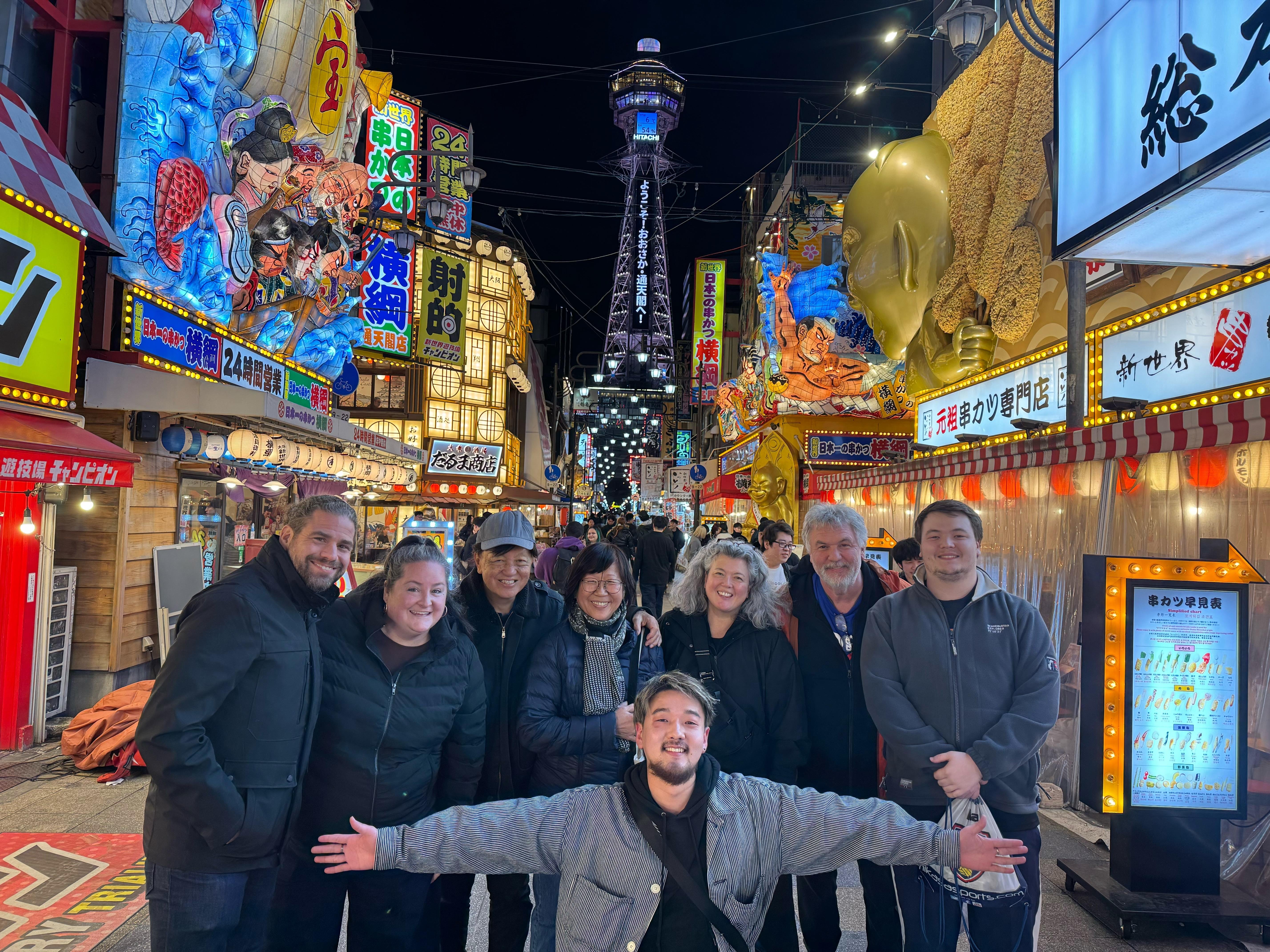
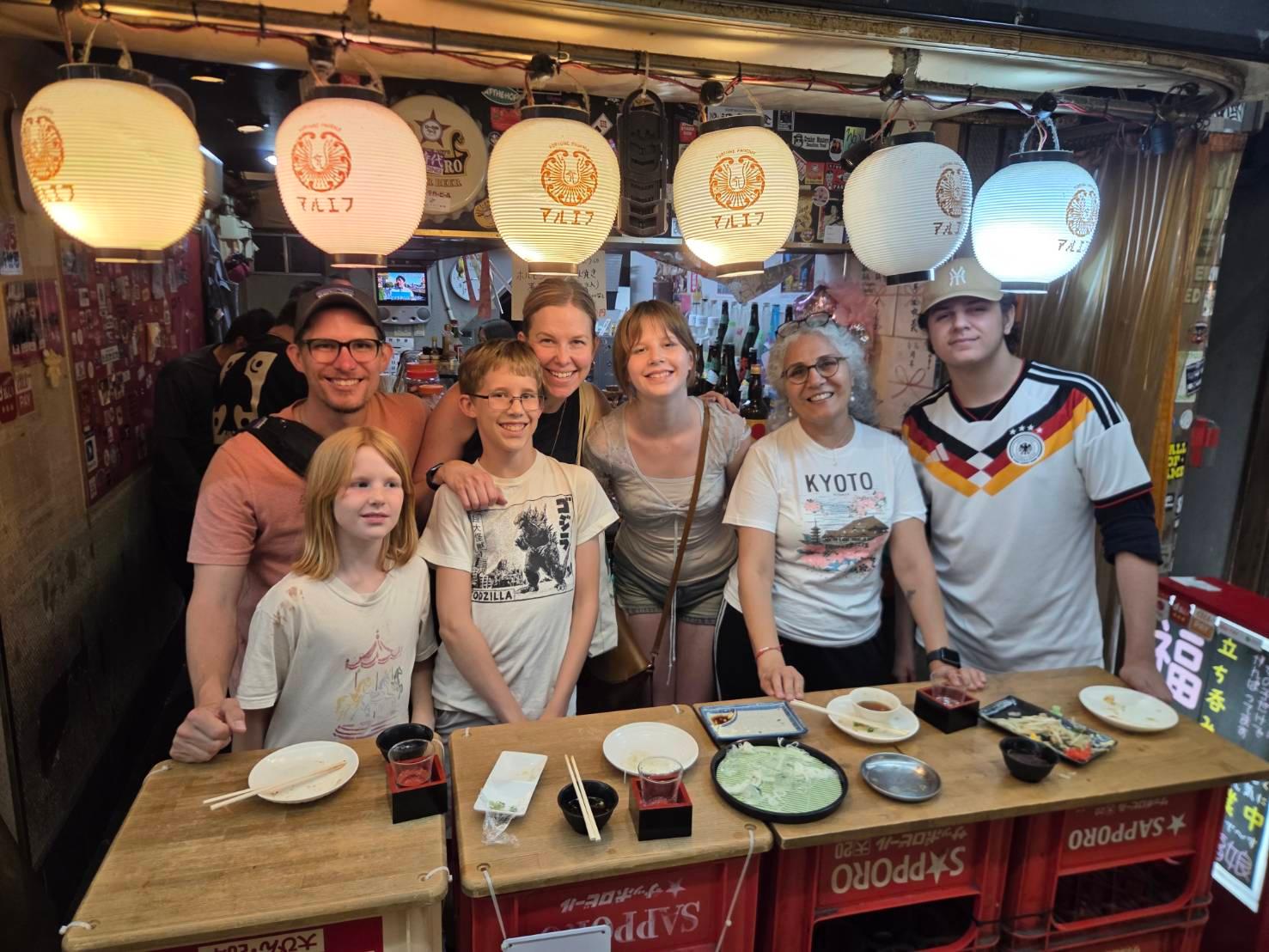
"Exceptional food tour through a fun area of Osaka that we probably wouldn't have seen otherwise. The pacing between restaurants was good, so we never felt overly stuffed. Sara was our guide, and was superb. We ate at some amazing restaurants, and she was able to tell us about Japanese cuisine, culture and history as we ate. She ensured everyone in our group was engaged, including the kids."
Tenka no Daidokoro · 15 Dishes in an Evening · Tours $30–105
Osaka Food Tours
Osaka calls itself tenka no daidokoro, the nation's kitchen, and its word for the local appetite is kuidaore — eat until you drop. A good tour here covers fifteen dishes across three districts in one evening, with someone who knows which counters are worth the queue and can order at the ones with no English menu. At roughly four dollars a dish it is also the cheapest way to eat this much of the city in a night. The question is not whether to book — it is which tour gets you the most for the money.
From
$61
per person
Free cancellation
- 4.8 / 5 2762+ Reviews
- 15 Dishes on the most-booked tour
- $30–105 Real tour price range
- Free Cancellation
The Experience
What the Featured Tour Includes
From the operator's listing. The number to compare across Osaka food tours is dishes, not hours — fifteen tastings in three hours is a different evening from four.
Highlights
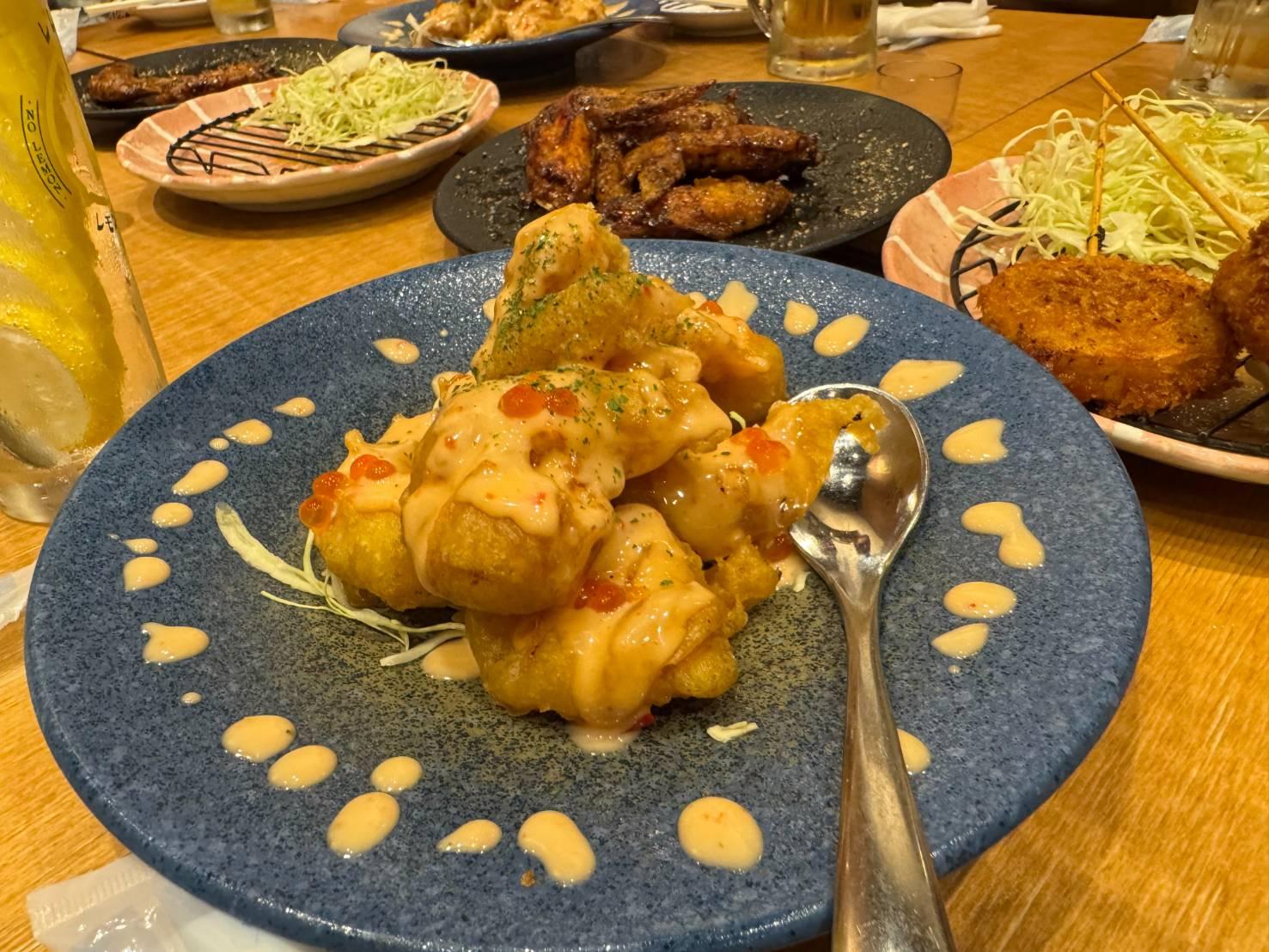
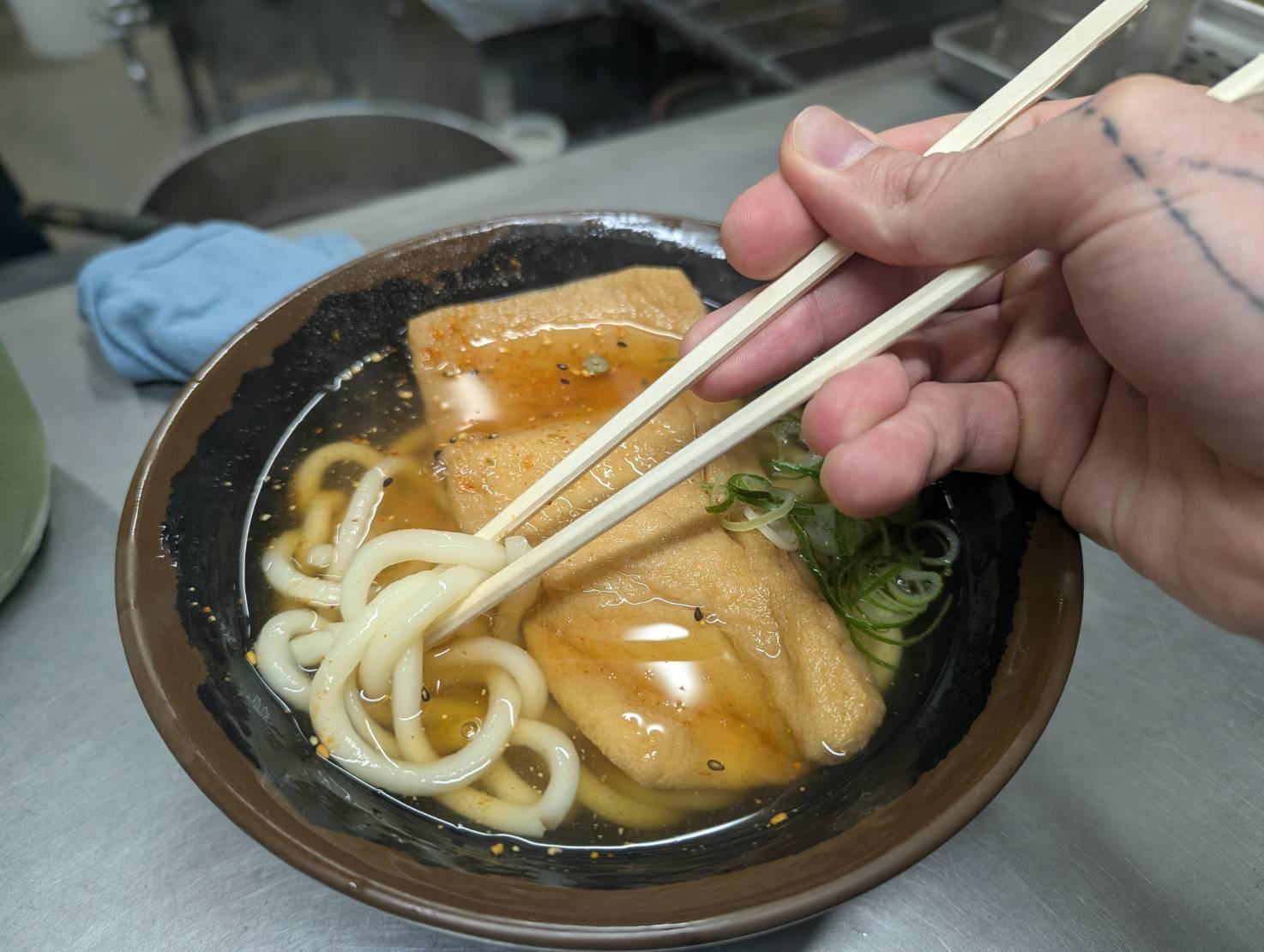
- Delight your taste buds having 15 delicious Japanese dishes & 3 drinks
- Go off the beaten path and discover the authentic delicacies of Osaka
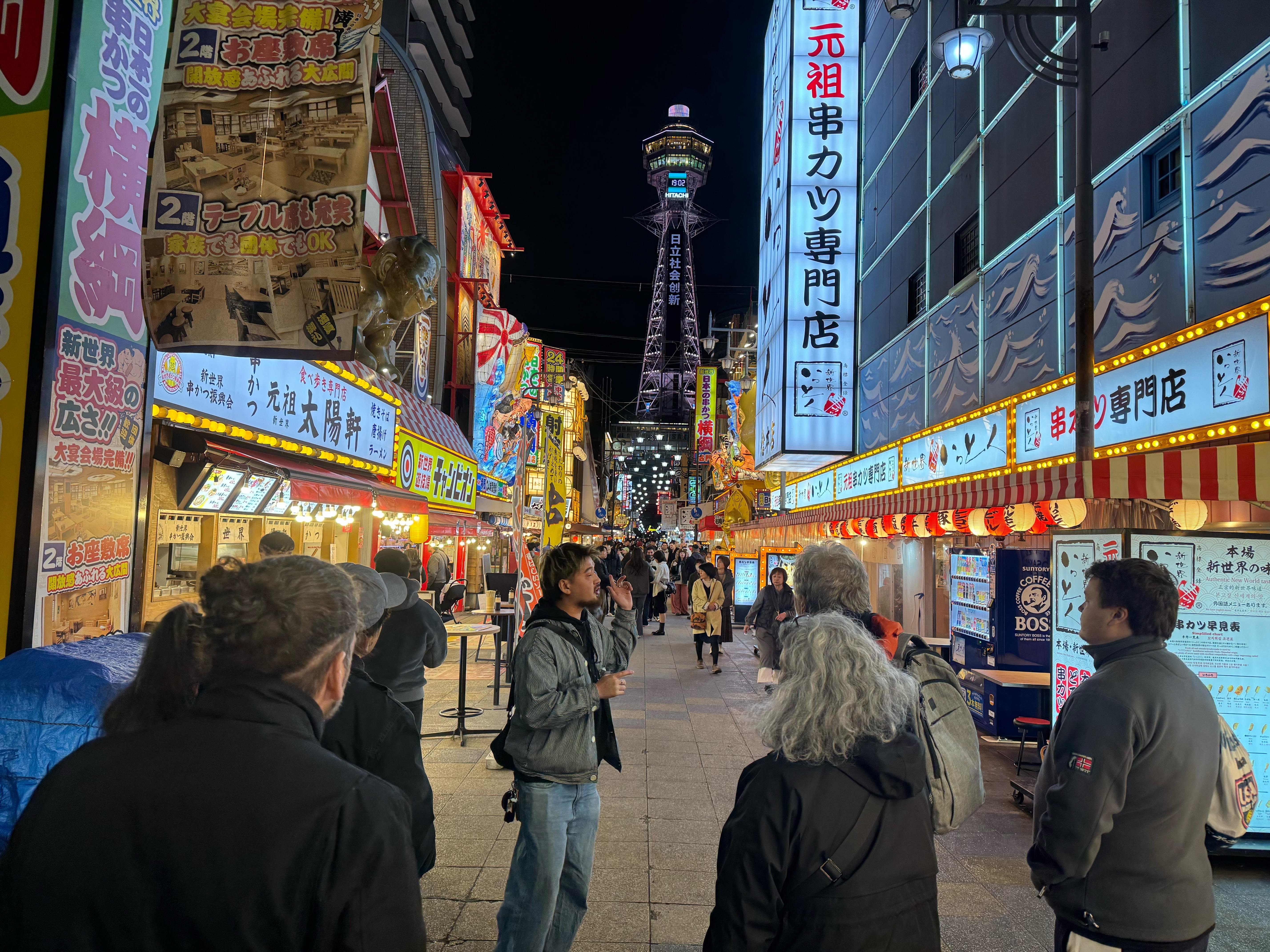
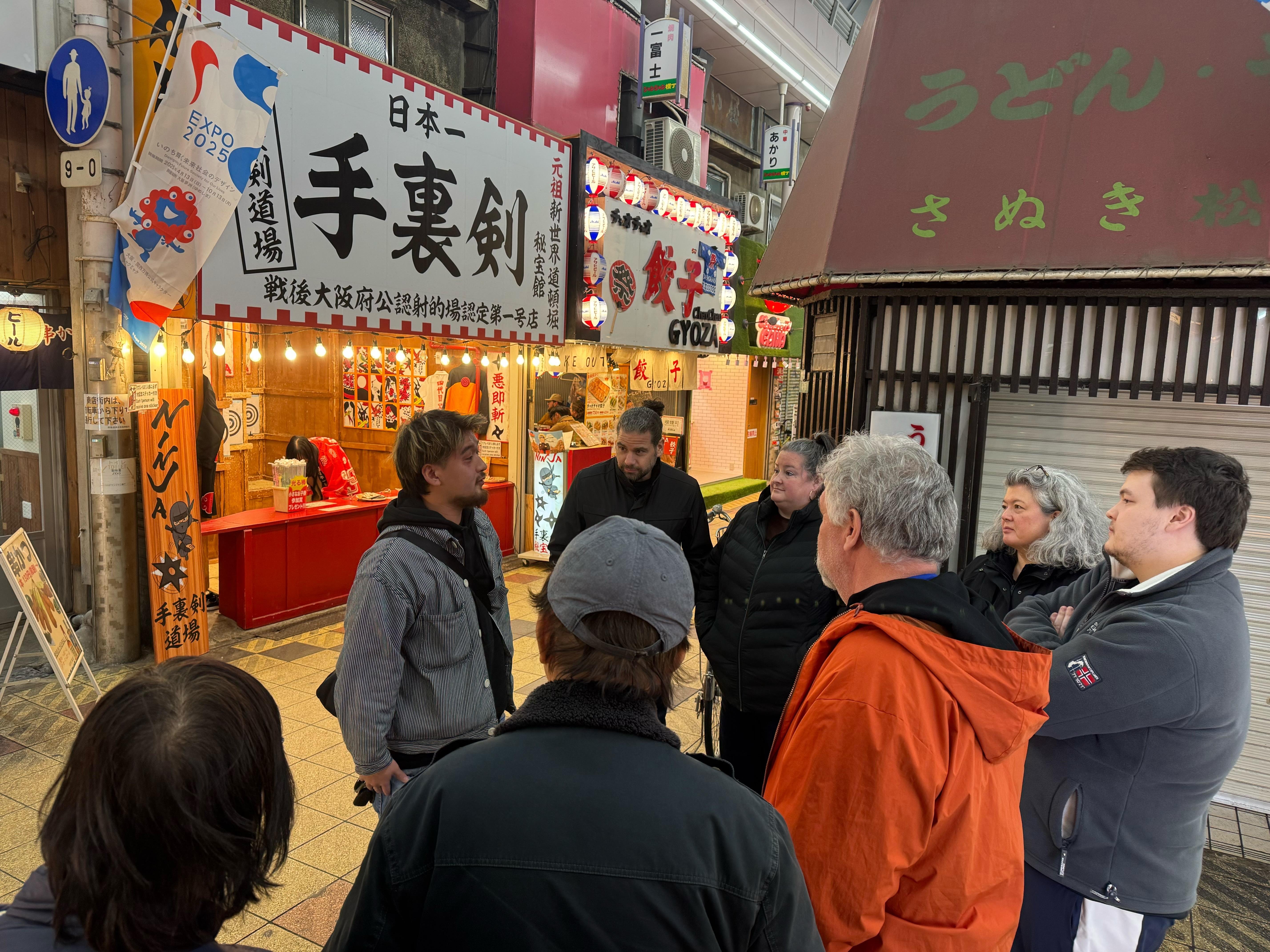
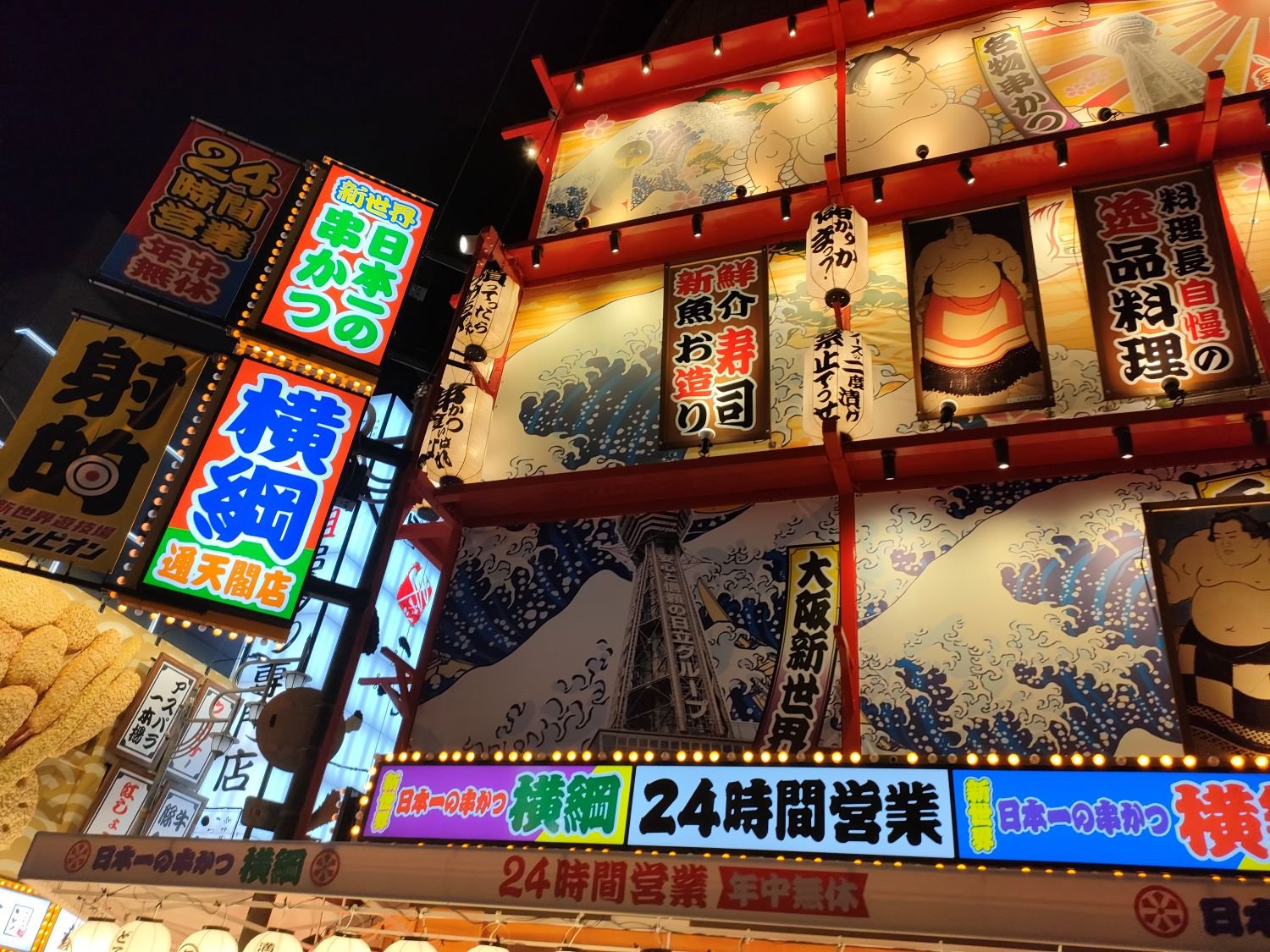
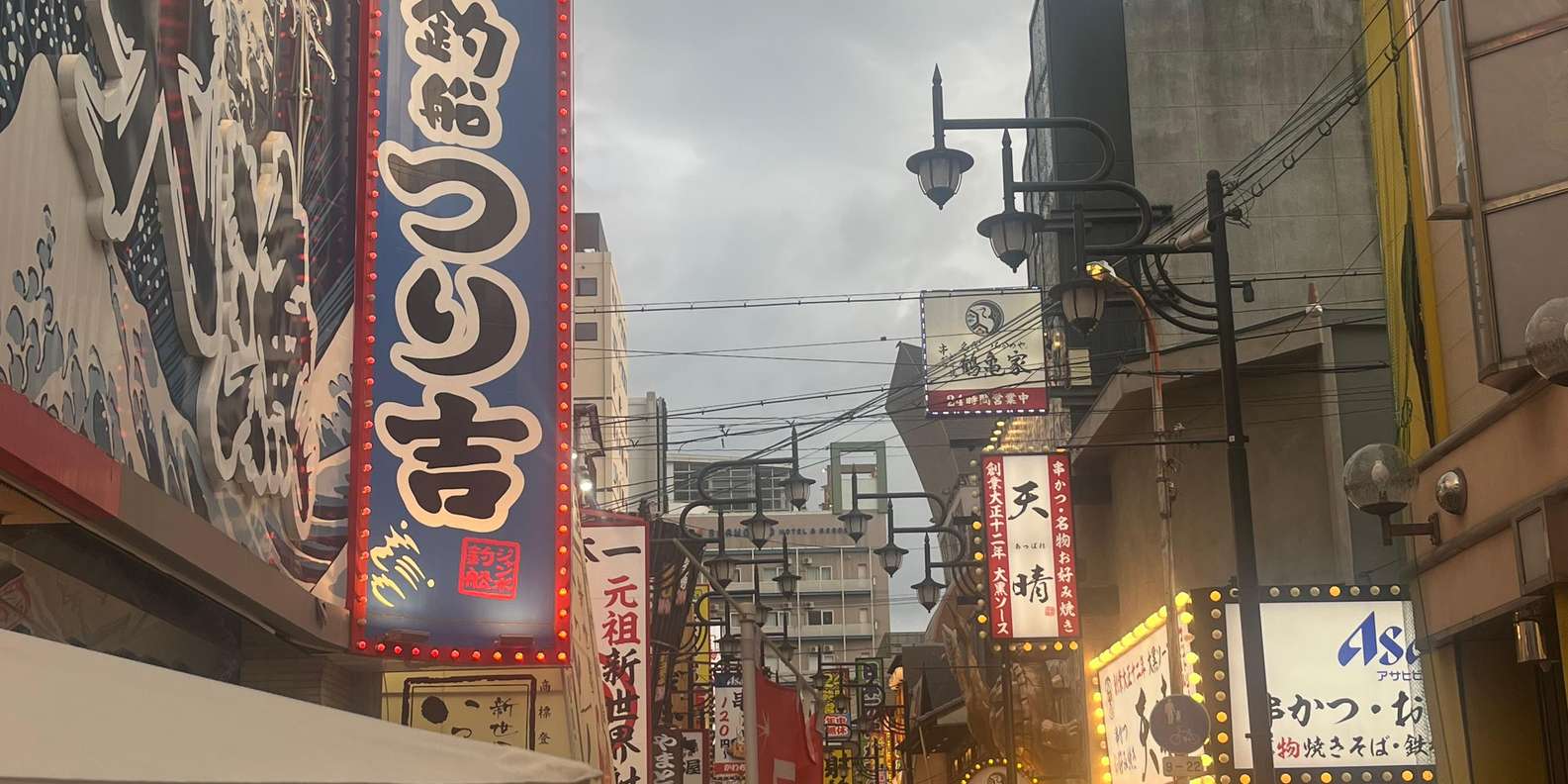
- Dine at popular local stalls and establishments in the Shinsekai district
- Venture into a fascinating world where traditional cuisine meets history
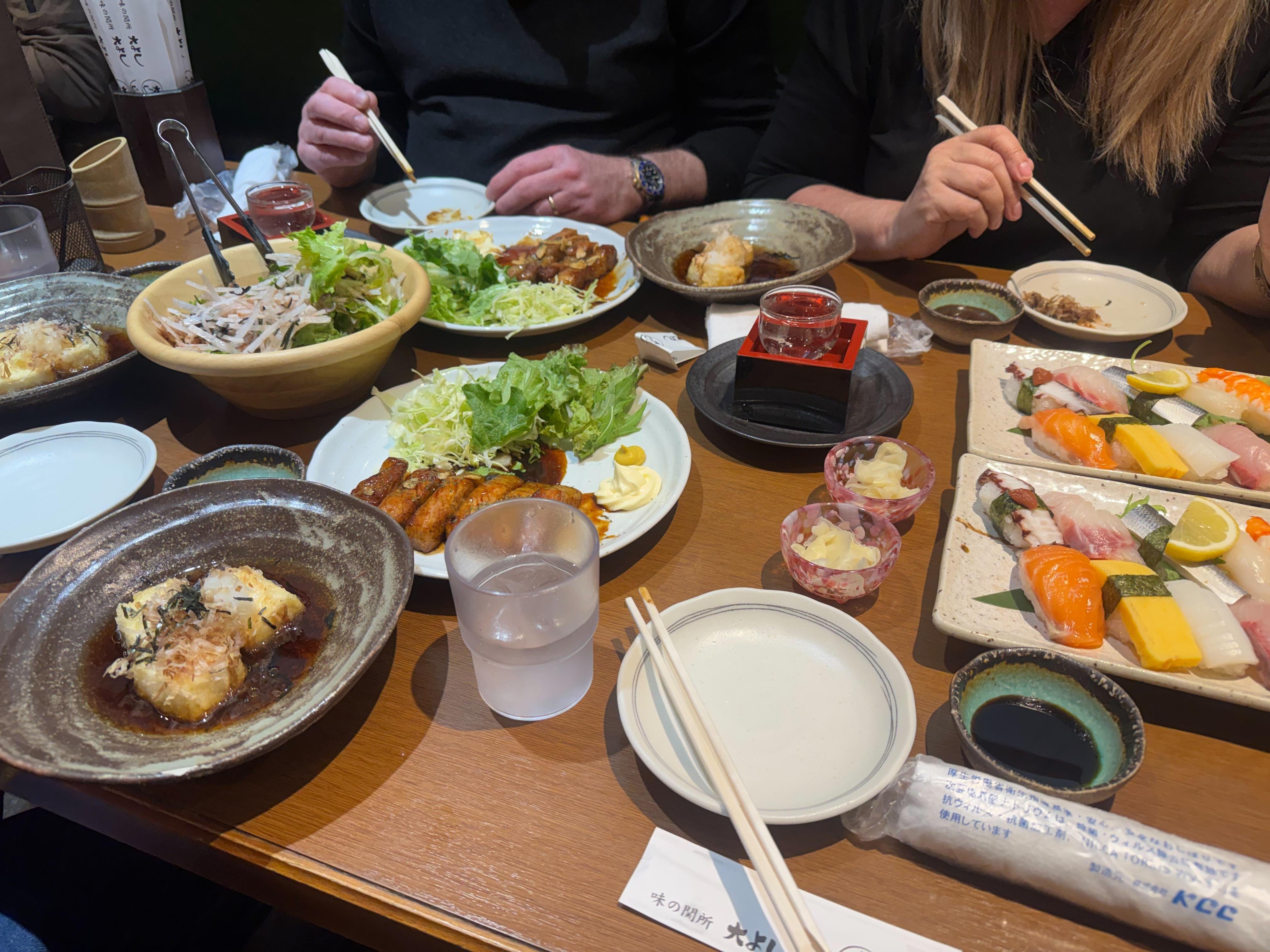
- Enjoy tasty takoyaki, kushikatsu, and an abundance of local food.
What's Included
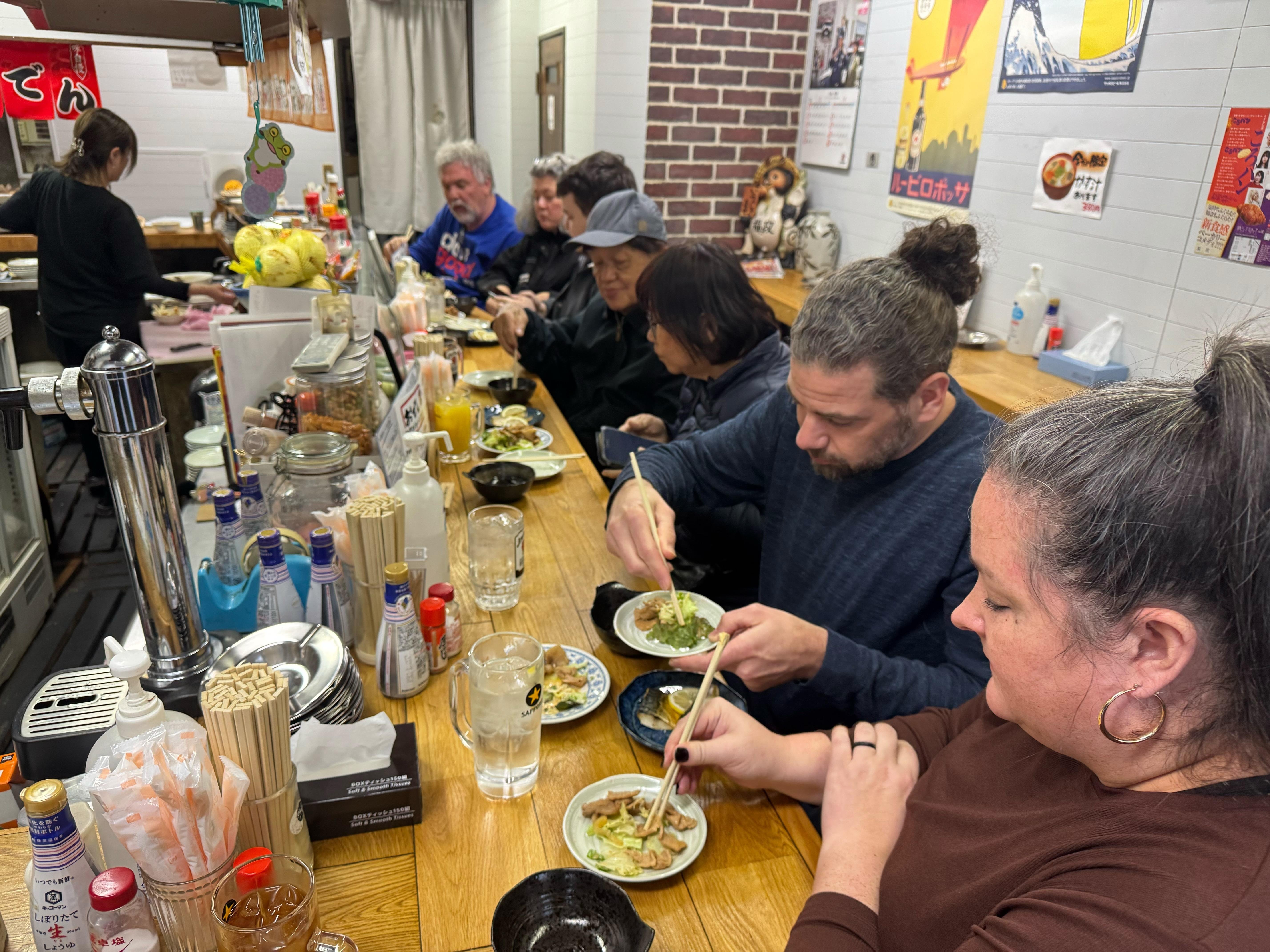
- Food at 1 stall, 1 gastrobar, 1 classic eatery, 1 izakaya, and 1 specialized restaurant (15 dishes in total)
- 3 drinks (alcohol and non-alcohol)
How an Osaka Food Tour Runs
Meet near a station, walk between districts, eat standing up. Most of the value is in which doorways the guide chooses.
Photo Gallery
The Districts
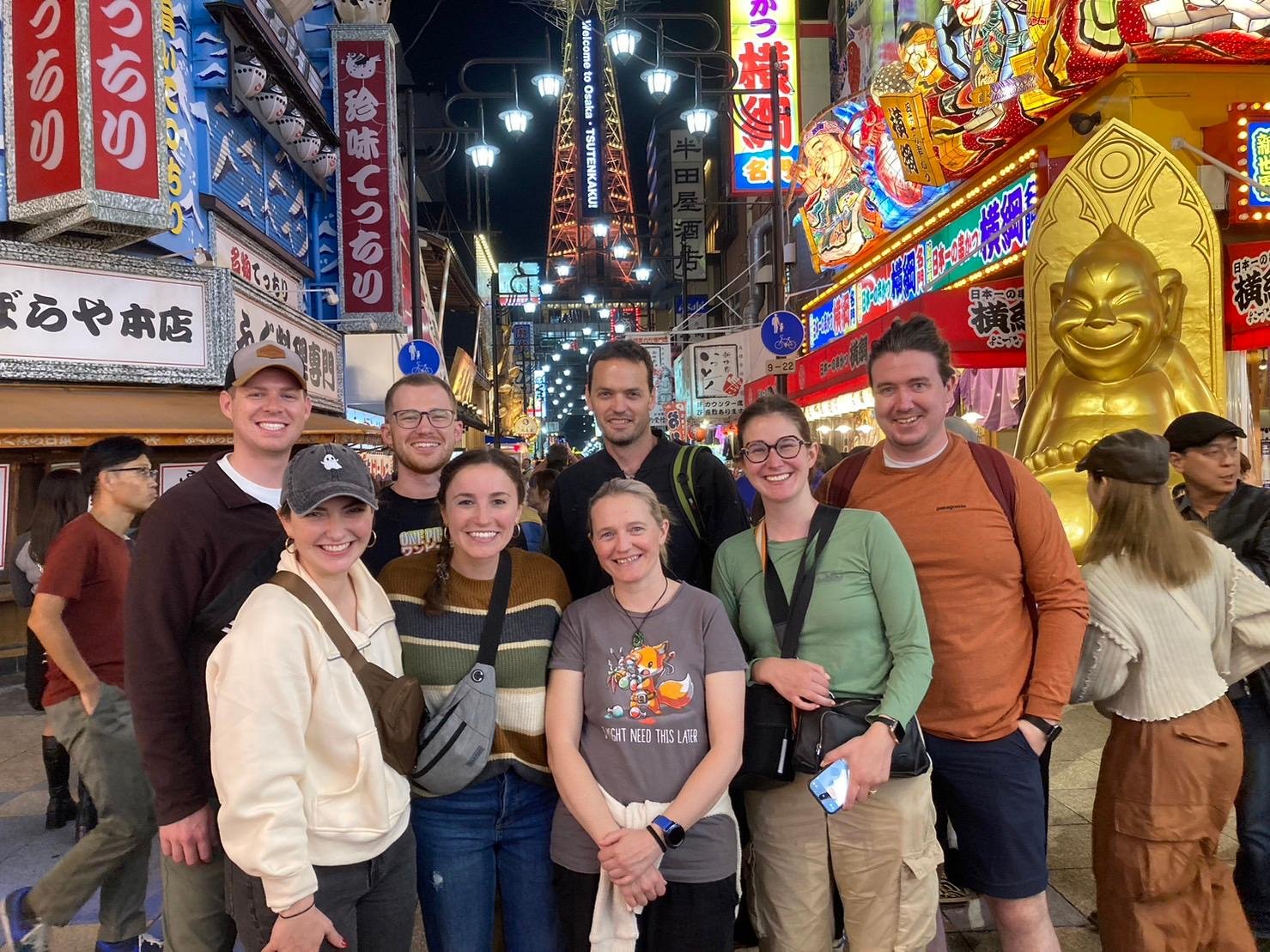
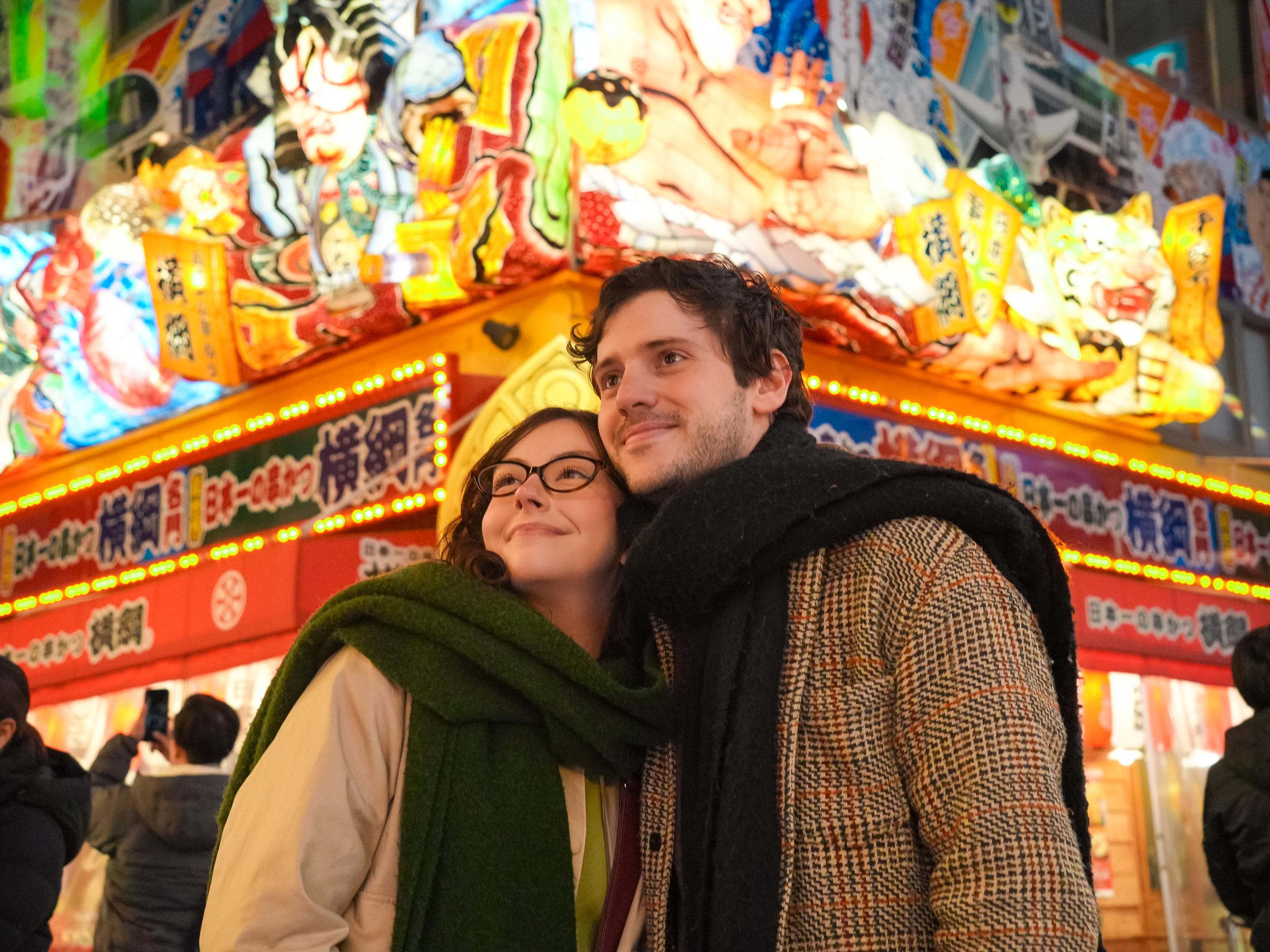
Dotonbori's neon and canal, the retro streets of Shinsekai under Tsutenkaku, and the covered arcade of Kuromon market.
Book Your Experience
Check Availability & Prices
Select your preferred date and time. Instant confirmation — free cancellation up to 24 hours before departure.
Four Ways to Eat Your Way Round Osaka
The food is the same. What changes is how much of it you find in one evening.
| Feature | 4.8/5 · 2,762 REVIEWS Guided food tour | Market walk | Bar and backstreet crawl | Walk Dotonbori yourself |
|---|---|---|---|---|
| Dishes in one session | 12–17 | 6 stops | varies | 3 or 4 realistically |
| Cost | $48–105 | $48 | $30 | what you eat |
| Districts covered | two or three | one market | one district | one strip |
| Ordering handled | yes | yes | yes | no |
| Best time | evening | morning | night | night |
| Check Availability | See market tours | See crawls |
Other Food Tours
Every Osaka Food Tour We Track
Street food, market walks, backstreet crawls and bar hops, with the platform's real prices and review counts.
 SHINSEKAI, 15 TASTINGS
Hungry Osaka Street Food Tour Shinsekai:15 Tastings 3 Drinks
 17 FOODS, 4 EATERIES
Osaka Street Food Tour: 17 Foods at 4 Eateries
 KUROMON MARKET
Osaka: Kuromon Market Food Walking Tour (6 stops, 6 tastes)
 BAR CRAWL
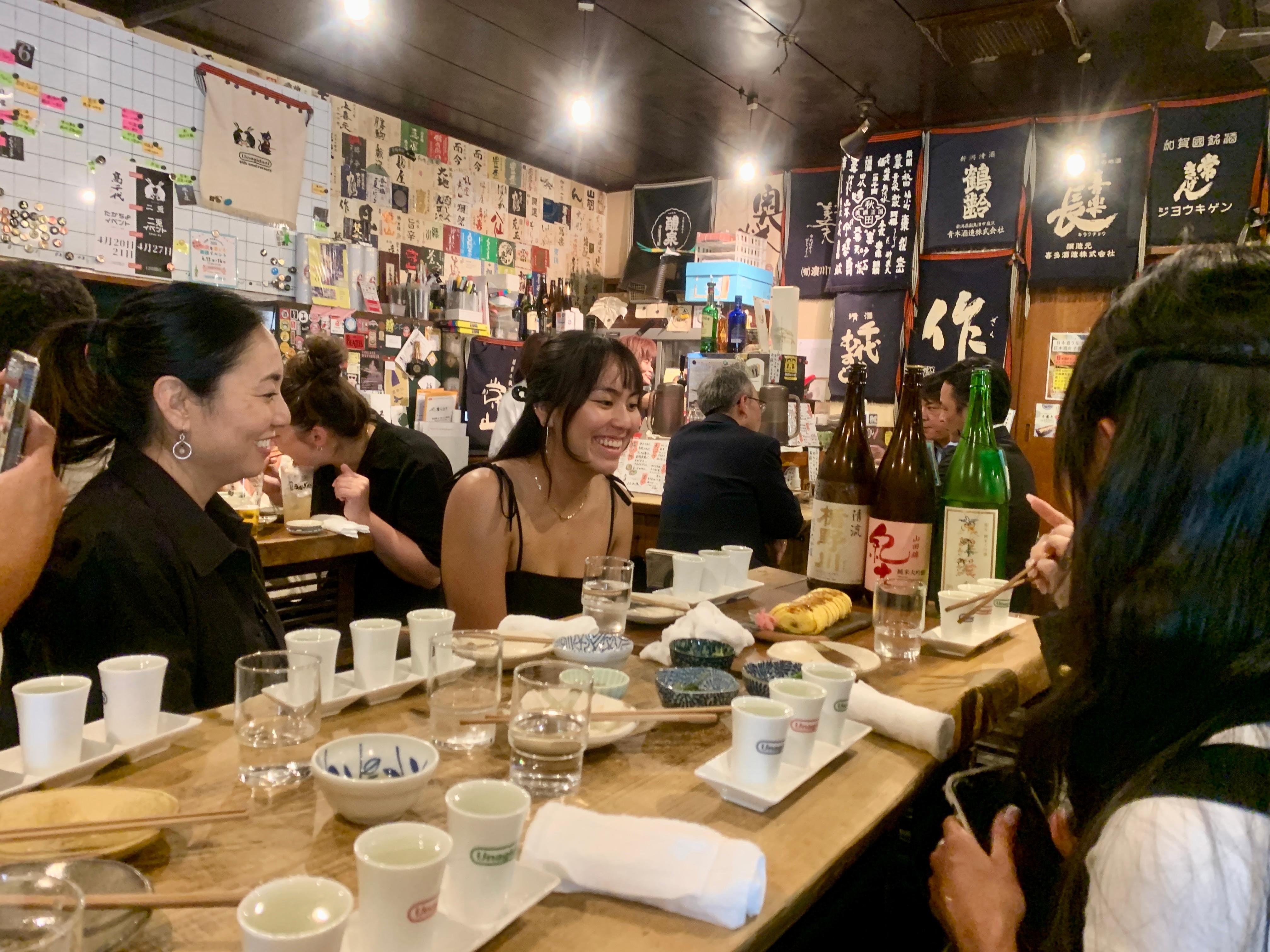
Osaka: Namba Pub Bar Crawl with a Local Guide
 DOTONBORI + SHINSEKAI
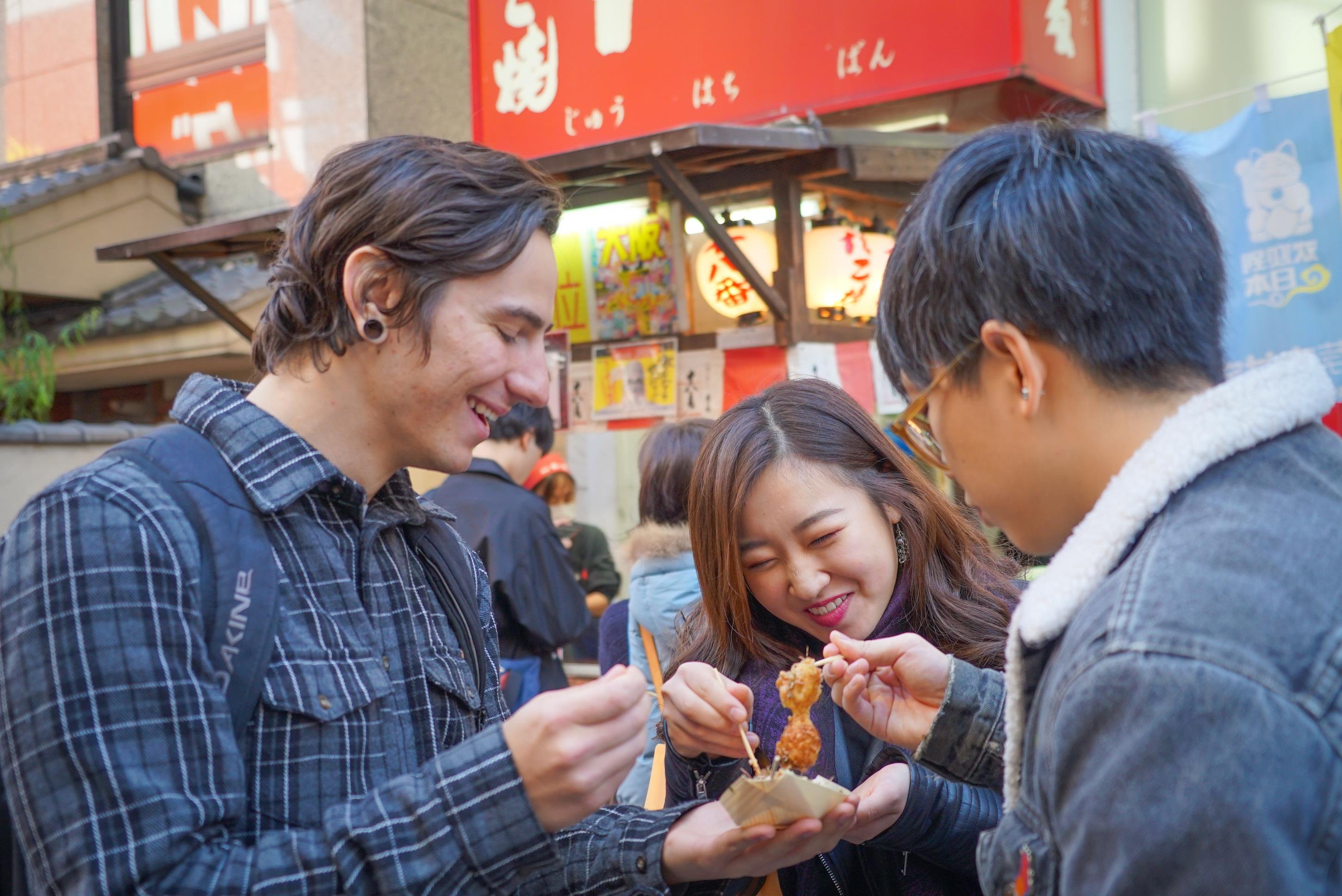
Osaka: Local Foodie Tour in Dotonbori and Shinsekai
 MOCHI POUNDING
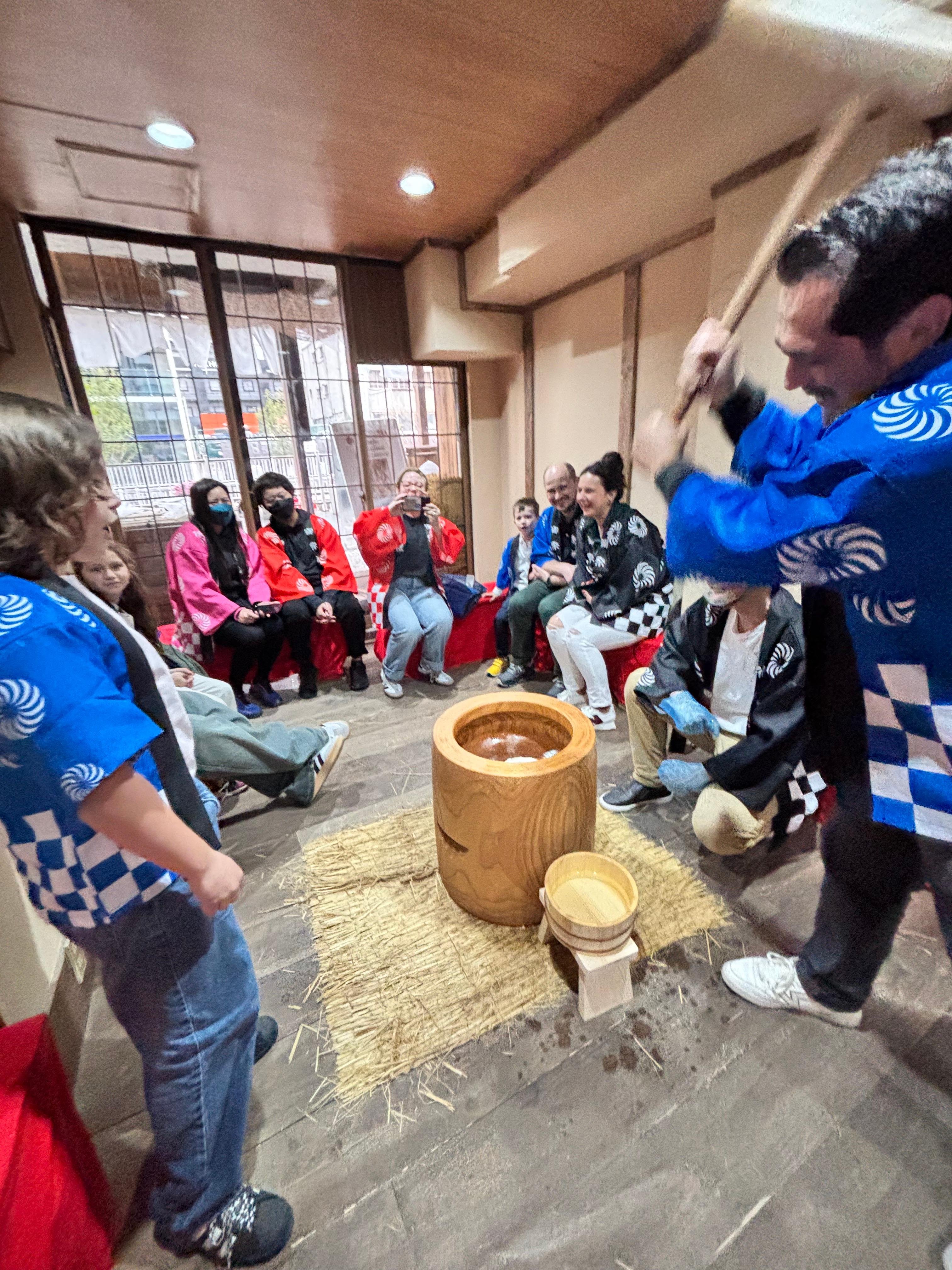
Osaka: Traditional Mochi Pounding Experience with Tasting
 BACKSTREETS
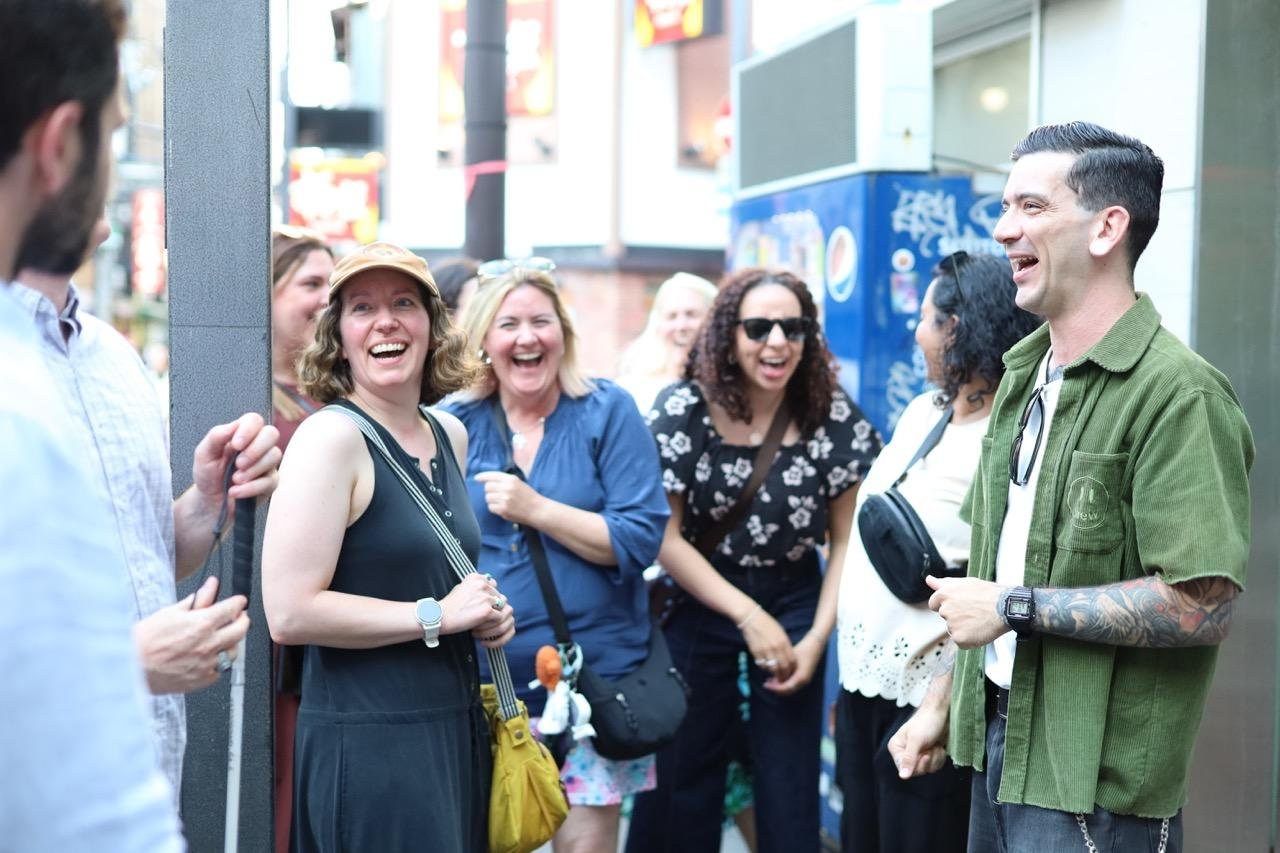
Downtown Osaka: Hidden Backstreet Foodie Tour
Osaka has two words for itself that tell you everything. Tenka no daidokoro, the nation’s kitchen, is the historic one — this was the city goods and rice flowed through, and it fed the country. Kuidaore, eat until you drop, is the one Osakans use about themselves, and it is not a joke: people here spend more of their income on food than in other Japanese cities.
A good tour here is not a sightseeing walk with snacks attached. It is fifteen dishes in three hours, across districts you would not route between yourself, with someone ordering at counters that do not have an English menu. At around four dollars a dish, it is also the cheapest way to eat this much of Osaka in one evening.
What you are paying for
Three things, and they are what separate a good tour from a mediocre one:
The dishes are in different districts. Takoyaki and the neon are Dotonbori. Kushikatsu and the shabby, wonderful old streets are Shinsekai, under Tsutenkaku tower. The raw ingredients and the market breakfast are Kuromon. These are not next door to each other and no obvious route connects them.
The first stalls you find are the tourist stalls. The Dotonbori strip is excellent at selling three photogenic things to people who arrived twenty minutes ago. It is not where the eating gets interesting.
Ordering. Plenty of the best counters run on cash, Japanese and a laminated sheet. That is not a barrier if you have a week. It is a barrier on a Tuesday night with one evening to spend.
How to judge value between tours
The number to compare is dishes, not hours — and it is the single most useful filter on this whole market. Fifteen tastings in three hours is a completely different evening from four in the same time, and the price gap between them is usually smaller than the gap in what you eat.
Run the arithmetic before booking:
| Tour | Price | Dishes | Per dish |
|---|---|---|---|
| 15 dishes, 3 drinks | $61 | 15 | about $4 |
| 17 foods, 4 eateries | $53 | 17 | about $3 |
| Kuromon market walk | $48 | 6 stops | about $8 |
| Backstreet foodie tour | $85 | fewer, longer | premium for the streets |
A cheaper tour with fewer stops is not better value, and the most expensive one is not automatically the best evening — the backstreet tours cost more because the walking and the guiding are the product, not the volume.
The dishes worth knowing before you go
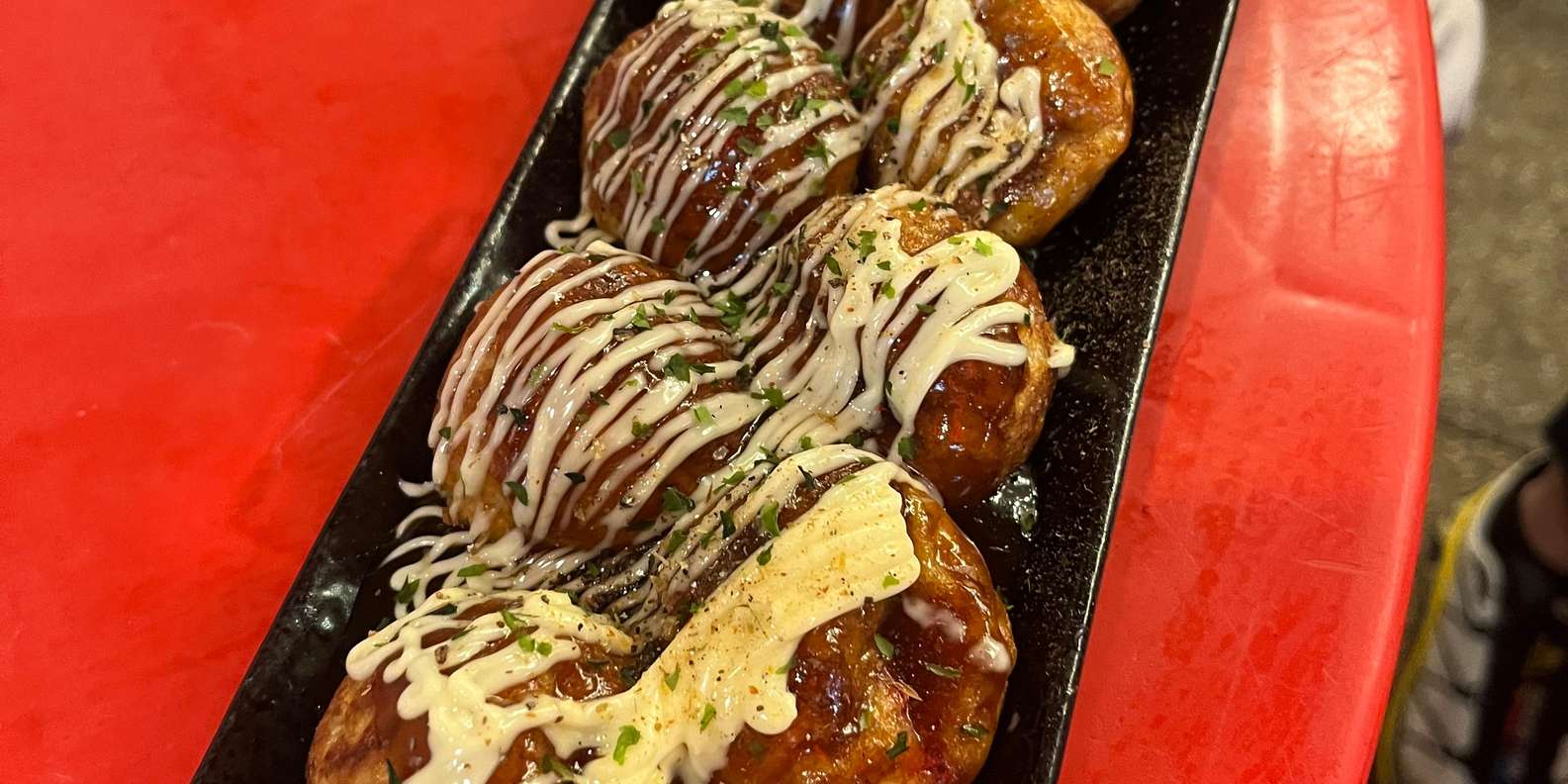
- Takoyaki — octopus in batter, molten inside. The Osaka dish.
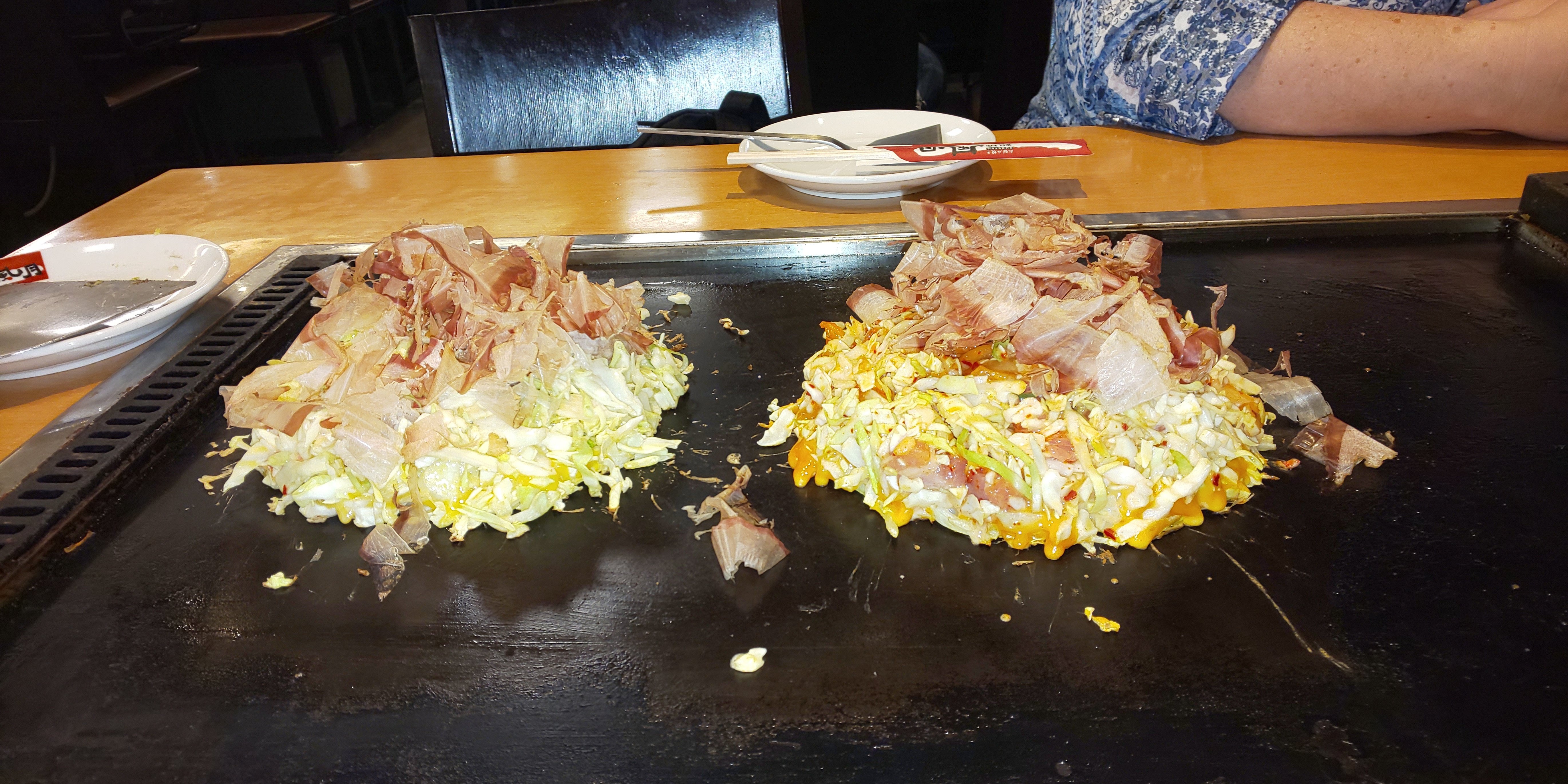
- Okonomiyaki — savoury cabbage pancake, cooked on a griddle in front of you.
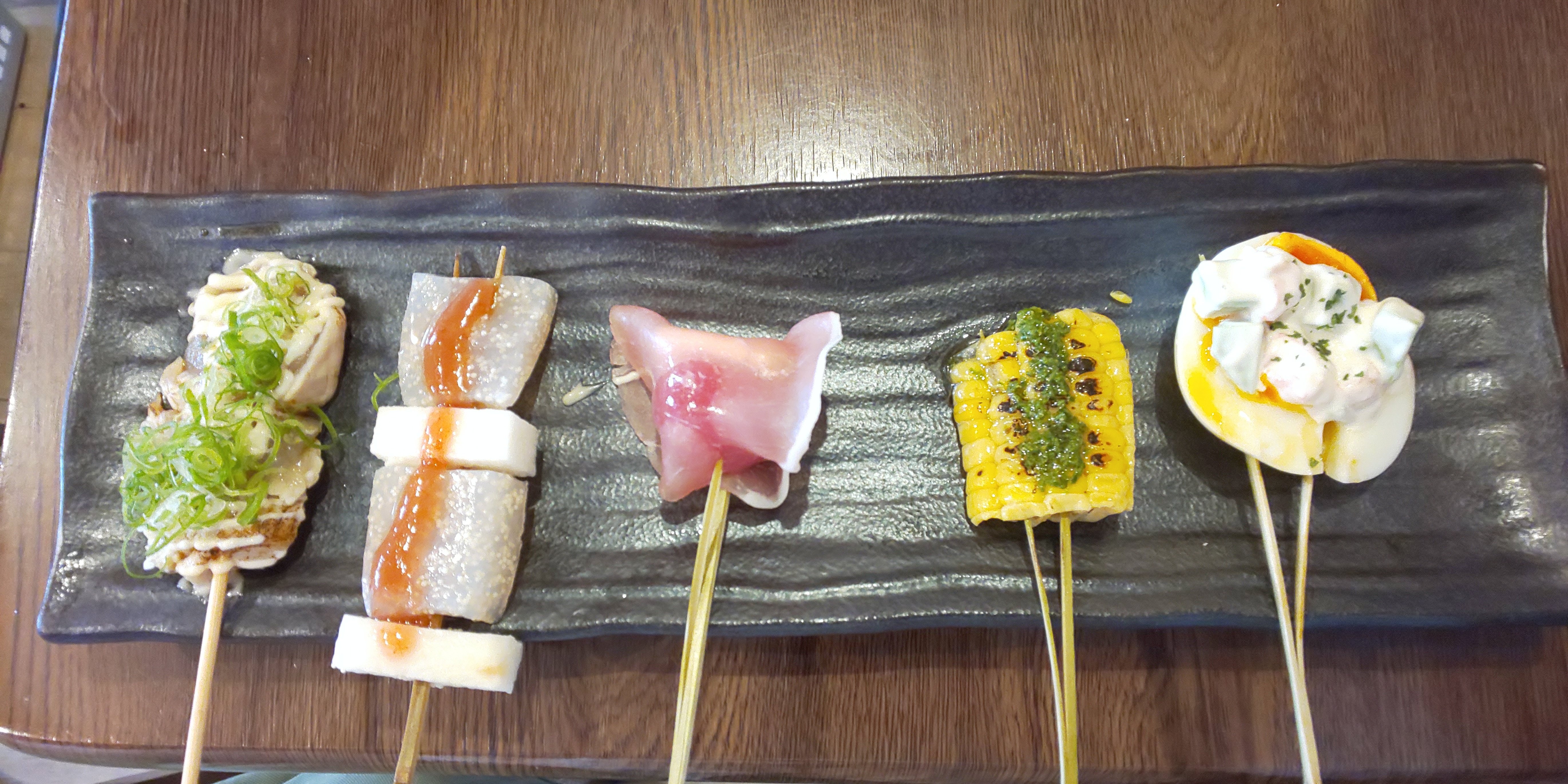
- Kushikatsu — crumbed skewers, deep fried. Shinsekai’s speciality, and the one rule everybody breaks once: no double dipping in the communal sauce.
More on all of it in what to eat in Osaka.
Start here
- What to eat in Osaka — the dishes, and where each one belongs
- Kuromon market — what it is, and when to go
- Dotonbori or Shinsekai? — two very different evenings
Guest Reviews
What Guests Say
4.8/5
from 2762 verified guests
"Excellent tour with Kevin, who knows the neighborhood, the food, and Japanese culture very well! A must-do!"
"Bernie was an excellent guide and really managed the tour well. He was informative and funny, and even looked for activities and sights that weren't in restaurants. The food was lovely, and it was great to go into many different restaurants in one evening."
"Tour was great.we ate many local dishes at local eateries. our guide Sara was excellent and very knowledgeable with a great sense of humor"
"Absolutely one of the highlights of our trip to Osaka! The food was incredible, authentic, and full of flavors we probably would never have discovered on our own. Our guide was fantastic – super friendly, knowledgeable, and passionate about Osaka’s food culture. A perfect way to experience the real Osaka. Delicious, fun, and unforgettable. 10/10 – an absolute must-do!"
"We had a wonderful experience with Taka he was an excellent guide and really lovely and personable to talk to. Thank you Taka for a fantastic experience would absolutely recommend you."
"Taka was our tour guide and he was nothing short of amazing! Really lovely guy and got all the group talking, gave us lots of local knowledge and the food was so yummy too!"
"very nice food tour with James ! A very good time !"
Read all 2762 verified reviews
See All ReviewsFifteen Dishes, One Evening
The most-booked food tour in the city, and the best value in the set: fifteen dishes and three drinks for $61, rated 4.8 by more than 2,700 travellers. That is around four dollars a dish, with the route and the ordering handled. Starting from $61 per person.
Check AvailabilityCan't Make These Dates?
Browse More Available Options
Find a tour that fits your schedule — all with instant confirmation and free cancellation.
Osaka Food Tours — Common Questions
Starting with the one worth asking: do you need a tour at all?
Compare dishes, not hours — it is the most useful filter on this market. The most-booked tour runs fifteen dishes and three drinks for $61, which is about four dollars a dish; one competitor covers seventeen foods at four eateries for $53, closer to three. A market walk at $48 for six stops is more expensive per taste but includes produce you cannot eat on a street crawl. The premium backstreet tours cost more because the guiding and the neighbourhoods are the product rather than the volume.
Takoyaki, okonomiyaki and kushikatsu, and each belongs to a different district. Takoyaki is octopus in batter, eaten molten and standing up, and its home is Dotonbori. Okonomiyaki is a savoury cabbage pancake cooked on a griddle, and it is a sit-down meal. Kushikatsu is crumbed deep-fried skewers, and its home is Shinsekai — where the communal sauce pot carries one absolute rule: no double dipping.
Roughly, eat until you drop. It is the word Osakans use about their own appetite, and it is more than a joke — people here spend more of their income on food than in other Japanese cities. The city's older name for itself is tenka no daidokoro, the nation's kitchen, from the days when the country's rice and goods moved through it.
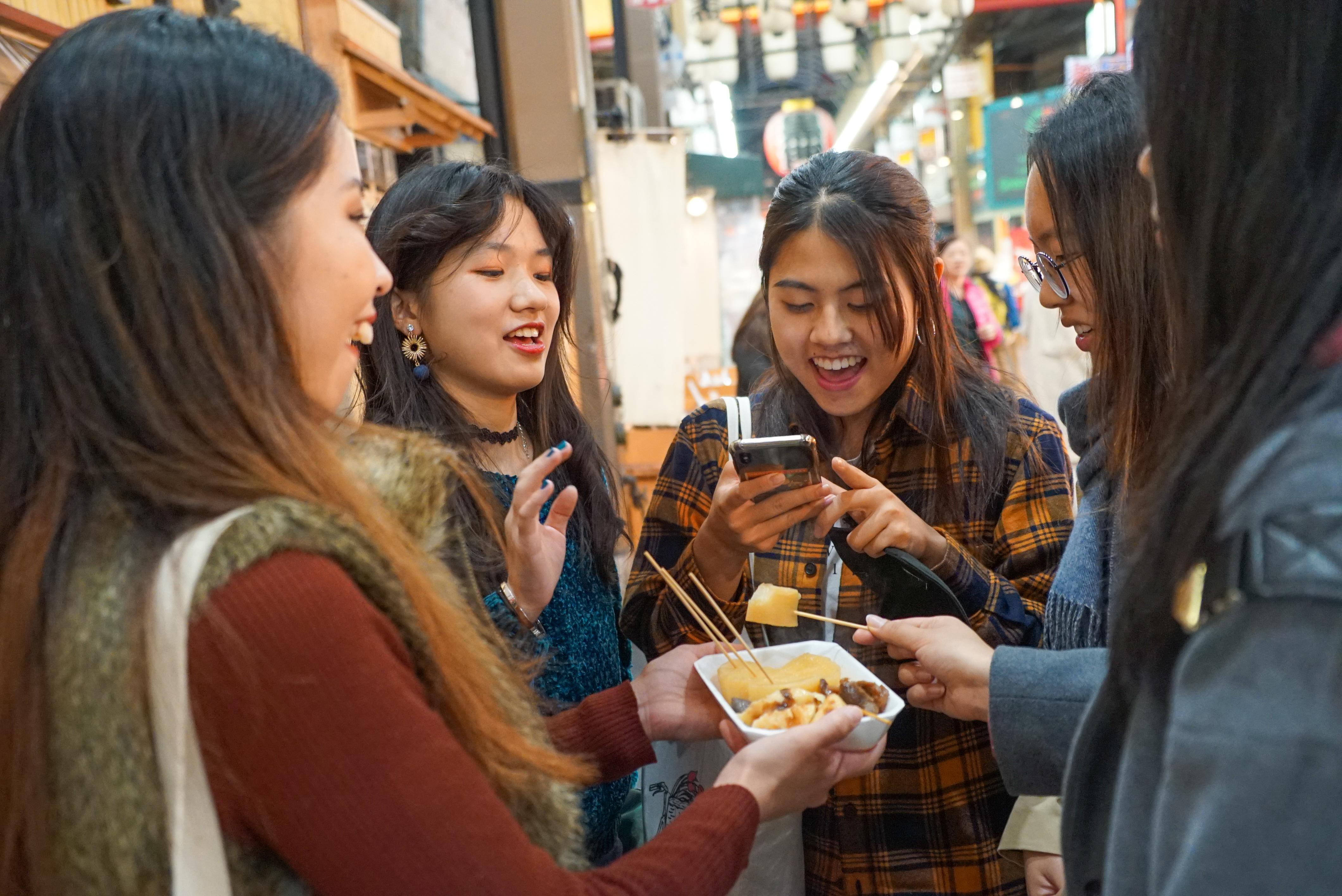
Yes, in the morning. It is a covered arcade of around 170 stalls trading since the early 19th century, and it is a working market rather than a tidy one — louder and less sanitised than Kyoto's Nishiki. Go before midday, when the stock and the energy are both best. Prices are firmly tourist-facing now, which is a fair trade for eating sashimi where it is cut, but worth knowing in advance.
Both, on different nights — they are not variations on a theme. Dotonbori is neon, canal, crowds and takoyaki eaten walking. Shinsekai is shabby, retro, built for a 1912 exposition and left alone since, and it is about sitting at a kushikatsu counter. If you only have one evening, take Dotonbori for the spectacle, and eat one street back from the canal rather than on it.
From about $30 to $105 across the tours we track, with most between $48 and $70. The number worth comparing is DISHES, not hours — fifteen tastings in three hours is a very different evening from four in the same time, and the price gap between them is usually smaller than the gap in what you eat.
The tours here run with English-speaking guides, and that is much of the point. A lot of the best counters operate on cash, Japanese and a laminated sheet — no obstacle if you have a week to get comfortable, a real one on a single evening.
At a kushikatsu counter the sauce pot is shared by everyone, so a skewer goes in once, on the way to your mouth, and never again. Every shop has a sign about it and most visitors break it once. If you want more sauce, use the cabbage they give you as a spoon.
Still have questions? Email us at info@osaka-food-tour.com